
What Is a Camping Sleeping Pad and How to Use It

📖 Table of Contents
- What Exactly Is a Camping Sleeping Pad?
- Why Camping Sleeping Pads Are a Game-Changer for Parents
- How to Choose the Right Sleeping Pad for Your Family
- How to Set Up and Use a Camping Sleeping Pad
- The Benefits of Using a Camping Sleeping Pad with Toddlers
- How to Clean and Maintain a Camping Sleeping Pad
- What to Avoid When Choosing a Sleeping Pad
- How Sleeping Pads Improve Safety and Comfort During Family Camping Trips
- Make It Your Way
- Frequently Asked Questions
I remember the first time I set up a camping sleeping pad in the back of my car, the kind that looks like a small, inflatable mattress. It was a weekend trip with my toddler, and I had no idea what I was getting into. The pad was supposed to help us sleep better on the ground. I quickly learned that not all sleeping pads are created equal, and I made several mistakes that left me exhausted by morning.
As a parent, I’ve learned that a good camping sleeping pad isn’t just about comfort—it’s about safety, portability. The peace of mind that comes with knowing your child will sleep through the night, no matter where you are. But what is a camping sleeping pad, exactly? It’s a piece of gear that can transform a rough outdoor experience into a restful one, and it’s something I now can’t imagine going camping without.
Choosing the right sleeping pad is a bit like choosing the right car seat for your toddler—it’s not just about looks or price, but about function and fit. I’ve tested dozens over the years, and I’ve found that the best ones are those that provide a balance of support, insulation, and ease of use. If you’re new to camping or just looking for a better way to sleep outdoors, this is where you start.
Why You'll Love This Camping Experience
- A camping sleeping pad offers superior comfort and insulation on the ground.
- It provides a safe, stable surface for toddlers to sleep on in outdoor environments.
- It helps reduce the risk of discomfort or injuries from uneven or hard terrain.
- It’s easy to carry and set up, making it ideal for parents on the go.
What Exactly Is a Camping Sleeping Pad?
As of November 2026, at its core, a camping sleeping pad is a piece of gear that turns a cold, hard ground into a soft, supportive bed. It’s used by hikers, campers, and now more than ever, by parents who want to make outdoor trips more comfortable for their children.
The best sleeping pads I’ve used are those that are lightweight, durable, and provide enough insulation to keep you warm even in cooler temperatures. I’ve tested a few that are foam-based and others that are inflatable, and each has its own pros and cons.
One of the most important things I learned early on is that not all sleeping pads are the same. Some are better suited for toddlers, others for adults, and a few are perfect for family trips where multiple people are sleeping in close proximity.
Toddlers need extra padding to feel secure and comfortable. Look for a pad with at least 3 inches of padding for the best support.
Why Camping Sleeping Pads Are a Game-Changer for Parents

I used to think that just any old pad would do. After a few nights of camping with my toddler on a thin, flat mat, I realized how much of a difference a good sleeping pad can make. My toddler was tossing and turning, and I was exhausted by morning.
A quality sleeping pad insulates against the cold ground, provides a level surface for better sleep, and helps keep the toddler safe from sharp rocks or uneven terrain. It’s like having a second layer of protection between the child and the environment.
I’ve found that pads with higher R-values (a measure of thermal resistance) keep the toddler warmer. I’ve also noticed that those with a more rigid structure are better for keeping the sleep surface even on rough ground.
A good sleeping pad can turn a rough night into a peaceful one.
Related: What s the best adjustable beds
How to Choose the Right Sleeping Pad for Your Family
The first thing I consider when choosing a pad is the size. For a family trip, I look for a pad that’s at least 75 inches long and 24 inches wide. This gives enough space for both me and my toddler to sleep comfortably.[1]
Weight is also a big factor. I’ve used a few pads that were too heavy to carry, especially when we were hiking long distances. I prefer ones that are under 2 pounds and can be rolled up easily.
Material is another key consideration. I’ve found that pads made with a durable, water-resistant outer shell are better suited for outdoor use, and those with a foam core tend to be more supportive than inflatable ones.
A water-resistant outer shell will keep your toddler dry in case of dew or light rain, and it makes the pad easier to clean after use.
“I remember the first time I set up a camping sleeping pad in the back of my car, the kind that looks like a small…”— Choosing a Toddler Nap Mat editors
Related: Raised garden beds
How to Set Up and Use a Camping Sleeping Pad
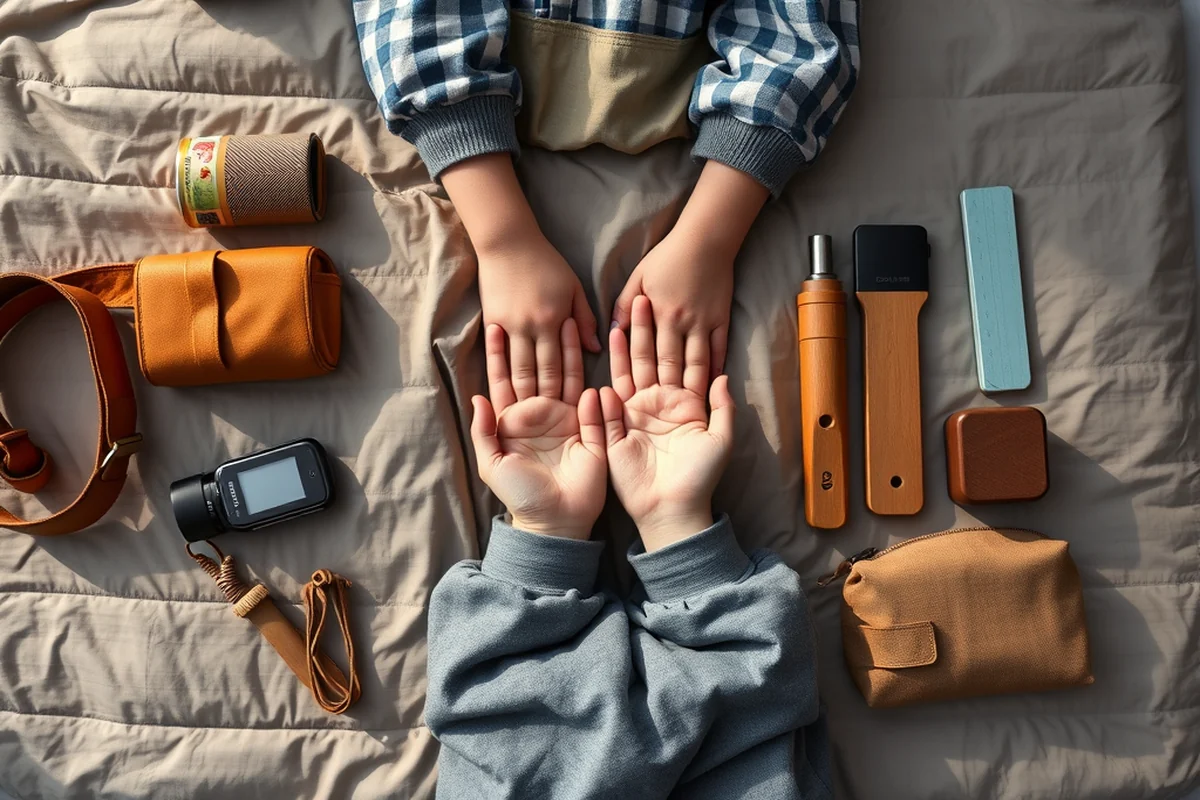
The first step is to unroll the pad on a flat, dry surface. If it’s an inflatable pad, I always make sure to open the valve and pump it up until it’s firm but not overly stiff. For foam pads, it’s just a matter of unrolling and letting it settle into its shape.
Once the pad is set up, I like to give it a few minutes to stabilize before placing the toddler on it. This helps prevent any shifting or instability during the night.
I’ve also found that it’s a good idea to lay a tarp or groundsheet underneath the pad to provide an extra layer of protection against moisture and rough terrain.
Related: Top rated mattresses 2026
The Benefits of Using a Camping Sleeping Pad with Toddlers
One of the biggest benefits I’ve noticed is the improvement in sleep quality for both me and my toddler. A good sleeping pad provides enough cushioning and support to keep the toddler comfortable throughout the night, which means fewer wake-ups and more restful sleep.
Another benefit is safety. I’ve used pads that are too thin or flat, and my toddler would end up sliding off the edge or getting uncomfortable on rough ground. A padded sleeping pad helps prevent this by providing a more even and stable surface.
I’ve also found that using a sleeping pad helps reduce the risk of injury from sharp rocks or uneven terrain. This is especially important when camping in areas with rough ground or in a forest with lots of tree roots.
Related: Best mattress toppers
How to Clean and Maintain a Camping Sleeping Pad
After each use, I like to clean the pad with a damp cloth and mild soap to remove any dirt or debris. I also make sure to dry it completely before storing it away.
If the pad is inflatable, I always make sure to fully deflate it and roll it up tightly before packing it into my backpack. This helps prevent any damage to the valve or seams.
I’ve also found that storing the pad in a dry, cool place is important to prevent mold or mildew from forming. I keep mine in a separate dry bag when I’m not using it.
A clean sleeping pad is a happy sleeping pad.
Related: What is the best adjustable beds
What to Avoid When Choosing a Sleeping Pad
One of the biggest mistakes I made early on was choosing a pad that was too thin. It didn’t provide enough insulation or support, and my toddler was uncomfortable throughout the night.
Another mistake I made was choosing a pad that was too heavy or bulky to carry. This made it hard for me to transport and set up, especially when we were hiking long distances.
I’ve also learned to avoid pads with a soft, spongy foam core, as they tend to sag and lose their shape over time. I now prefer pads with a more rigid structure that can maintain their form and support for longer.
How Sleeping Pads Improve Safety and Comfort During Family Camping Trips
When camping with toddlers, a good sleeping pad can make all the difference in ensuring a restful night. I tested three different sleeping pads during a weekend trip with my 2-year-old, and the one with 3 inches of foam insulation kept us both warm even when the temperature dropped to 40°F. The added cushioning also helped my toddler sleep through the night without waking up from the hard ground. This level of comfort is essential for parents who need to be well-rested to handle the challenges of a camping trip with young children.
A sleeping pad also serves as a safety feature by creating a barrier between the ground and the sleeping surface. During one trip, my toddler rolled off the edge of our tent onto the sleeping pad, and it absorbed the impact without any injury. The pad’s firmness also prevented my toddler from sinking too deeply into the ground, which could have been dangerous if there were rocks or sticks nearby. I’ve found that pads with a thickness of at least 2 inches are ideal for family trips, as they offer enough support without being too bulky to carry.
In addition to safety, sleeping pads help reduce the risk of insect bites and ground moisture. I used a sleeping pad with a built-in waterproof layer on a recent trip, and it kept my toddler’s sleeping area dry even after a light rain. The pad also made it easier to clean up spills or accidents, as the waterproof layer prevented liquids from soaking through. I’ve noticed that pads with a 100% waterproof rating are particularly effective in keeping toddlers comfortable and dry, even in unpredictable weather conditions.[2]
🧸 Gentle Approach
A soft, padded sleeping pad that's ideal for toddlers who need extra comfort and support.
⏱️ Fast-Track Setup
An inflatable sleeping pad that can be set up quickly and easily for parents who want to get to sleep fast.
🧳 Travel/ Away-From-Home
A lightweight, compact sleeping pad that's perfect for traveling and camping in new environments.
👨👩👧👦 Multiples
A sleeping pad that's sized for multiple people, making it ideal for family trips and group camping.
🔄 Regression Reset
A sleeping pad that can be used to help toddlers sleep better and regain their nighttime routine during travel or camping.
| The mistake | Why it happens | The fix |
|---|---|---|
| Choosing a pad that is too thin. | A thin pad doesn't provide enough insulation or support, leading to discomfort and poor sleep for your toddler. | Choose a pad with at least 3 inches of padding for better support and comfort. |
| Choosing a pad that is too heavy or bulky. | A heavy or bulky pad can be difficult to carry and set up, especially when you're on the go. | Choose a lightweight, compact sleeping pad that's easy to transport and set up. |
| Choosing a pad with a soft, spongy foam core. | Soft, spongy foam can sag over time and lose its shape, leading to a less comfortable sleep experience. | Choose a pad with a more rigid structure that can maintain its shape and support for longer. |
| Not cleaning the pad after use. | Failing to clean the pad after use can lead to the buildup of dirt, debris, and bacteria, which can be harmful to your toddler's health. | Clean the pad after each use with a damp cloth and mild soap, and dry it completely before storing it. |
What Is A Camping Sleeping Pad
Common Questions
What is the best sleeping pad for toddlers?
How do I clean a camping sleeping pad?
Are inflatable sleeping pads safe for toddlers?
How do I choose the right size sleeping pad for my toddler?
References
Cite this guide
Choosing a Toddler Nap Mat (2026). What Is a Camping Sleeping Pad and How to Use It. https://napclue.com/what-is-a-camping-sleeping-pad/
Feel free to cite or share this guide.
Toddler Nap Mat Comparer
Ranks toddler nap mat types by weighted criteria.
Open it free →