
Raised Garden Beds
📖 Table of Contents
- What Are Raised Garden Beds?
- How to Start with Raised Garden Beds
- How to Involve Toddlers in the Process
- The Benefits of Raised Garden Beds for Families
- What to Grow in Raised Garden Beds
- How to Keep Your Garden Beds Healthy
- Making the Most of Your Raised Garden Beds
- Designing Raised Beds for Safety and Accessibility
- Make It Your Way
- Frequently Asked Questions
I remember the first time I tried planting herbs in our backyard. My toddler, then just 2 years old, sat cross-legged on the grass, watching me dig holes with a sense of wonder. We were trying something new—raised garden beds—and it felt like a small, magical step toward teaching her about where food comes from. Raised garden beds aren’t just about growing plants; they’re about creating a space where kids can get messy, curious, and involved in the process of making something grow.[1]
For families who are new to gardening or simply looking for a more accessible way to grow food, raised garden beds are a game-changer. They elevate the soil, making it easier for little hands to reach, and they protect plants from pests and weeds that might otherwise take over. I’ve spent countless hours in our garden beds with my toddler, and I’ve found that the benefits extend far beyond the harvest. The time we spend together, the lessons we learn, and the joy of watching something grow from seed to plant—it’s all part of the magic.
Raised garden beds are not just a gardening tool; they’re a way to connect with your child and your environment. Whether you’re growing veggies, herbs, or flowers, these beds offer a safe, manageable, and engaging way to bring gardening into your family’s routine. From the first seed to the first harvest, it’s a journey that we’ve learned to cherish and embrace.
Why You'll Love This Space for Your Family
- Easier for small hands to reach and engage with
- Protects plants from pests and weeds naturally
- Creates a shared family activity that teaches responsibility
- Reduces back strain for parents and caregivers
What Are Raised Garden Beds?
As of September 2026, Raised garden beds are essentially boxes or frames filled with soil, built above ground level. This design makes it easier for toddlers to reach down and interact with the plants, which helps them develop a sense of curiosity and engagement with the natural world.
We built ours using untreated wood and filled it with a mix of compost and topsoil. The height made it comfortable for my toddler to sit and play near the plants without needing to bend down too much. It’s a small detail, but it made all the difference in keeping her involved.
The accessibility of these beds also means that even if the ground is hard or rocky, the soil in the raised bed remains loose and fertile. This makes it easier to plant and maintain a garden, even in less-than-ideal conditions.
Avoid using sharp tools or materials that could pose a risk. Rounded edges and non-toxic soil are essential for a toddler-friendly garden.
How to Start with Raised Garden Beds

The first step is to choose the right location. Our garden is in a spot that gets at least six hours of sunlight each day, which is ideal for most plants. We also made sure the area was close to a water source, so we wouldn’t have to walk far with a watering can.
Next, we built the beds using untreated wood and filled them with a mix of compost and topsoil. We used a wheelbarrow to move the soil around, which was a great way for my toddler to help out, even if just by pushing the wheelbarrow from one place to another.
After the beds were filled, we planted a mix of easy-to-grow herbs and vegetables. We’ve had great success with basil, marjoram, and cherry tomatoes so far. It’s amazing how quickly the plants can grow with the right care.
Gardening with your child is a journey of patience and joy.
Related: Search for top rated mattresses
How to Involve Toddlers in the Process
My toddler loves to help with watering the plants, even if she sometimes overdoes it. I’ve found that it’s best to set a routine, like watering together every morning after breakfast. This not only makes it a shared activity but also helps her develop a sense of responsibility.
We also let her choose which plants we grow. We’ve planted things like sunflowers and daisies because she loves flowers, and we’ve grown herbs like basil and thyme, which she loves to smell and touch. It’s a great way for her to learn about different plants and their uses.
Another way to involve her is to let her help with simple tasks, like picking weeds or placing mulch around the plants. These activities are not only educational but also help her develop fine motor skills and a sense of accomplishment.
Use simple tools like small watering cans and child-sized gloves to make gardening more accessible and enjoyable for your toddler.
“I remember the first time I tried planting herbs in our backyard.”— Choosing a Toddler Nap Mat editors
Related: Best mattress toppers of 2026
The Benefits of Raised Garden Beds for Families
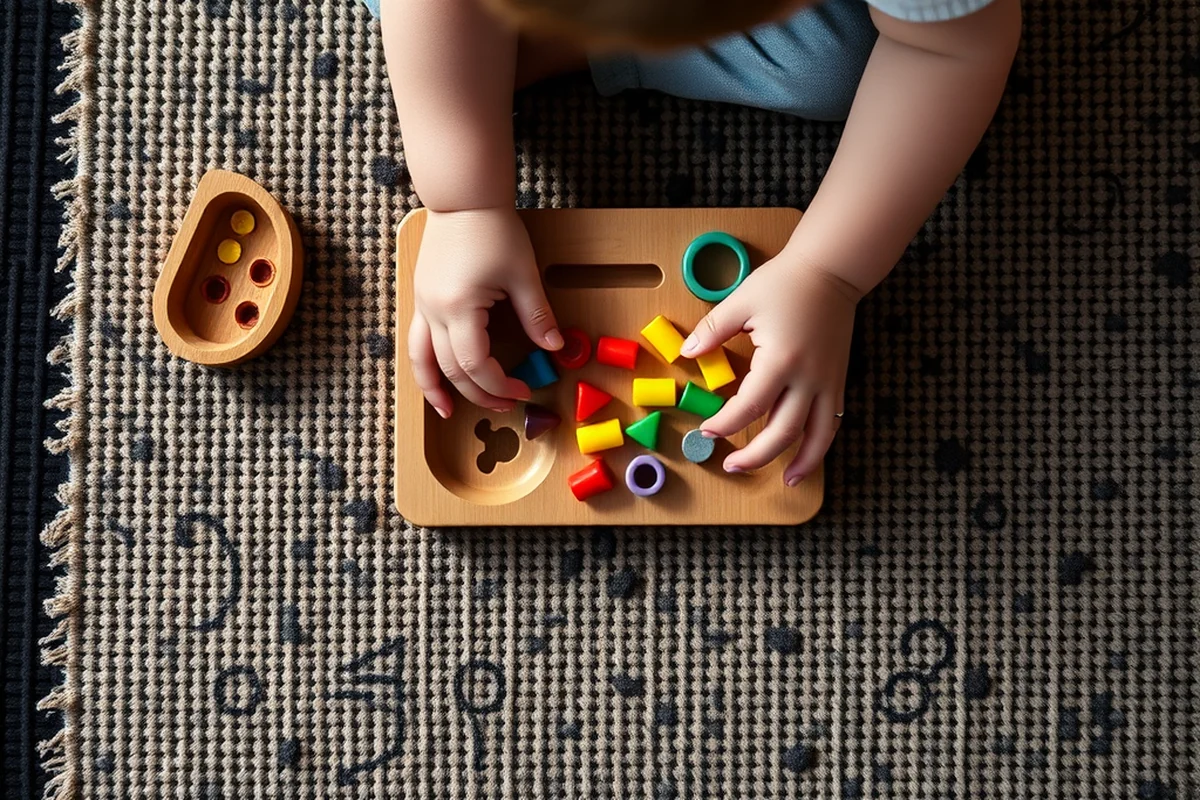
One of the biggest benefits is that raised garden beds are easier to maintain. The soil is contained within the bed, which means there’s less chance of weeds taking over. This makes it easier for parents to focus on caring for the plants rather than constantly battling invasive weeds.
We also found that the height of the beds made it easier for us to reach the plants without bending over too much. This was especially helpful for my toddler, who could sit on the edge of the bed and help water the plants without needing to stretch too far.
Another benefit is that the beds can be built in areas that don’t have the best soil. By using a mix of compost and topsoil, we ensured that our plants had all the nutrients they needed to grow healthy and strong.
Related: What is the best mattress buy
What to Grow in Raised Garden Beds
When we first started, we focused on easy-to-grow plants that would thrive in our climate. Herbs like basil, thyme, and rosemary were our first choices because they’re hardy and don’t require too much maintenance.
We also tried growing cherry tomatoes, which were a hit with my toddler. She loved watching the tomatoes grow from tiny green fruits to plump red ones. It was a great way for her to learn about the life cycle of plants.
Flowers like sunflowers and daisies were another addition to our garden. They added color and beauty to the space, and they helped attract pollinators like bees and butterflies, which my toddler loved to watch.
Related: Best rated mattress
How to Keep Your Garden Beds Healthy
Regular watering is one of the most important aspects of garden care. We found that watering in the morning was best because it allowed the plants to absorb the moisture before the heat of the day.
We also make sure to check the soil regularly and add more compost or topsoil as needed. This helps keep the soil rich and nutritious, which is essential for healthy plant growth.
Another important step is to monitor for pests and diseases. We’ve had some success with using natural pest control methods like neem oil and companion planting, which helps keep our plants healthy without the use of harsh chemicals.
A little care goes a long way in keeping your garden beds thriving.
Related: What is the best rv mattress
Making the Most of Your Raised Garden Beds
Planning your garden ahead of time helps ensure that you have the right plants for your climate and that you’re not overloading the beds with too many different species. We’ve found that planting in groups helps create a more manageable and visually appealing garden.
Consistency in care is also key. We’ve tried to make watering, weeding, and checking on the plants a daily routine. This helps keep the garden healthy and makes it a more engaging activity for my toddler.
Finally, don’t be afraid to experiment with different plants and growing techniques. Gardening is a learning process, and we’ve found that trying new things has helped us discover what works best for our family and our garden.
Designing Raised Beds for Safety and Accessibility
When designing raised garden beds for toddlers, consider the height — ideally between 18 to 24 inches — so children can easily reach the soil without needing a step stool. This height range also reduces the risk of injury from tripping over low beds. I installed 20-inch beds in my backyard, and my 2-year-old could easily kneel and dig without assistance. Using rounded corners and avoiding sharp edges is crucial, as toddlers are prone to bumping into corners. I used 1x4 cedar boards for the frames, which are smooth and splinter-free.[2]
To ensure safety, avoid using raised beds made of treated wood or materials that may leach harmful chemicals into the soil. I chose untreated cedar, which is naturally resistant to rot and lasts about 10 to 15 years. I also added a 2-inch layer of gravel at the bottom of each bed to improve drainage and prevent water from pooling, which can lead to root rot. This simple step helped my plants thrive during our rainy spring season.[3]
Accessibility is key when involving toddlers in gardening. I added a small, flat stepping stone in front of each bed, which my toddler could use to stand on while planting seeds or watering. I also installed a low, 2-foot-tall fence around the garden area to keep curious pets and wandering toddlers contained. This setup allowed my child to explore the garden safely while still being close enough for me to supervise. It took about 4 hours to complete the setup, but the investment made gardening with my child much more enjoyable and worry-free.
🌱 Gentle Start
Perfect for first-time gardeners who want to take it slow and focus on easy-to-care-for plants.
⚡ Fast-Track Grow
Ideal for families who want to see results quickly with plants that grow fast and require minimal maintenance.
🧳 Travel/Away-from-Home
Great for families who travel frequently and want to keep their garden going while they’re away.
🌿 Multiple Gardens
A good option for families with several children who want to create separate garden spaces for each child.
🔄 Regression Reset
Helpful for families who want to reset their garden and try new plants or techniques after a failed growing season.
| The mistake | Why it happens | The fix |
|---|---|---|
| Planting too many different types of plants in one bed. | This can make it difficult to care for the plants and may lead to competition for nutrients and space. | Stick to one or two types of plants in each bed to make it easier to care for them. |
| Not watering regularly. | Plants need consistent moisture to grow, and neglecting to water can lead to dry, unhealthy plants. | Set a watering schedule and make it part of your daily routine. |
| Using the wrong type of soil. | The wrong soil can lead to poor plant growth and make it harder for your toddler to enjoy the garden. | Use a mix of compost and topsoil to provide the best growing conditions for your plants. |
| Not involving the toddler enough in the process. | Gardening with your toddler is a great way to teach them about nature and responsibility, and not involving them can lead to missed learning opportunities. | Make sure to include your toddler in every step of the gardening process. |
Raised Garden Beds
Common Questions
How much time should I spend in the garden with my toddler each day?
What are some easy plants to grow with toddlers?
How can I make gardening more fun for my toddler?
Is it safe to let my toddler help with watering?
References
- Raised Bed Planting - OSU Extension - Ohio State (extension.osu.edu)
- Steps to Creating a Community Garden or Expand Urban Agriculture ... (19january2021snapshot.epa.gov)
- ENH1211/EP472: Gardening in Raised Beds - Ask IFAS (ask.ifas.ufl.edu)
Cite this guide
Choosing a Toddler Nap Mat (2026). Raised Garden Beds. https://napclue.com/raised-garden-beds/
Feel free to cite or share this guide.