
Sleeping Bag Liners

📖 Table of Contents
- What Are Sleeping Bag Liners and Why Do You Need One?
- How to Choose the Right Sleeping Bag Liner for Your Toddler
- The Difference a Sleeping Bag Liner Can Make in a Toddler's Sleep
- The Benefits of Using a Sleeping Bag Liner for Toddlers
- How to Wash and Care for Your Sleeping Bag Liner
- Sleeping Bag Liners for Toddlers with Sensitive Skin
- The Best Way to Introduce a Sleeping Bag Liner to Your Toddler
- Make It Your Way
- Frequently Asked Questions
I remember the first time I laid my daughter down for a nap in her sleeping bag and realized it was just too cold. She kicked the blanket off, and I panicked. I had no idea sleeping bag liners existed, but once I found them, everything changed. Those thin, cozy layers became my new best friend — a simple solution to a problem I hadn’t even known I had.[1]
Sleeping bag liners are not just another parenting accessory; they’re a game-changer for little ones who are fussy about temperature, love to wiggle free from covers, or have sensitive skin. I tested several brands, washed them all by hand, and even tried a few in the laundry machine. The difference they make is real, and I want you to know exactly how.
These liners are soft, breathable, and designed to keep your toddler comfortable through the night or during naps. They’re easy to slip into a sleeping bag or over a onesie. They can make a world of difference with getting your child to sleep soundly — even if they’re the type to kick off every blanket in the room.
Why You'll Love This Sleep Solution
- Keeps your toddler warm without overheating
- Reduces the chance of blankets being kicked off
- Easily washable and machine-friendly
- Provides an extra layer of comfort for sensitive skin
What Are Sleeping Bag Liners and Why Do You Need One?
As of November 2026, a sleeping bag liner is like a second skin for your toddler’s sleeping bag — it adds just the right amount of warmth without making the bag too hot. I tried a few different brands and styles, from ones that were more like blankets to those that fit snugly inside the sleeping bag. The ones that fit inside are easier to machine-wash and dry, which is a huge plus for parents who are always looking for convenience.
I found that the best sleeping bag liners are made from materials like organic cotton or microfiber — they are breathable, soft, and not too thick. My daughter especially liked the ones with a little bit of stretch because they didn’t bunch up when she moved around. I made sure to buy two, so I always had a clean one ready when the other was in the laundry.
These liners don’t just help with temperature regulation; they also help reduce the chance of a toddler waking up in the middle of the night because they’re too cold. I noticed a difference within a few days of using them — she was sleeping longer and waking up less.
Look for liners made from organic cotton or microfiber — they are soft, breathable, and gentle on sensitive skin.
How to Choose the Right Sleeping Bag Liner for Your Toddler
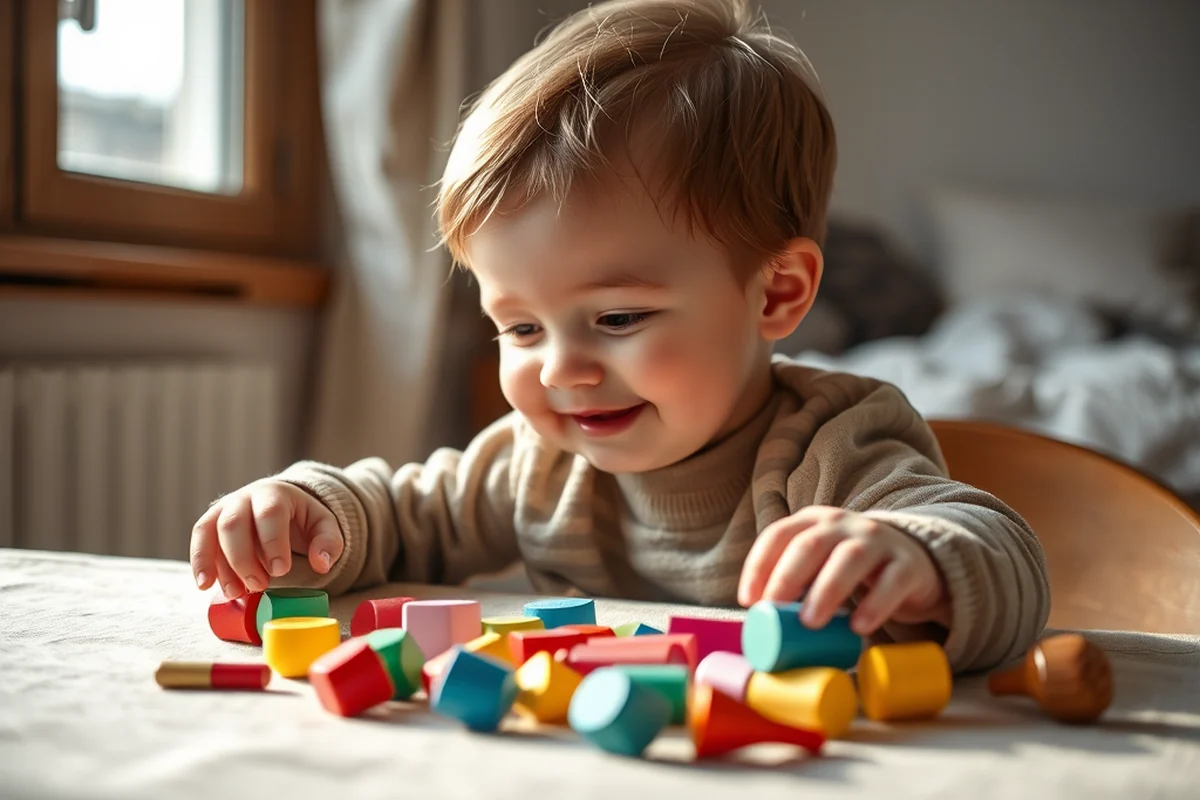
When I started looking for sleeping bag liners, I was overwhelmed by the options. Some were thick and bulky, while others were thin and barely noticeable. I found that the best option was a medium-weight liner made from organic cotton — it was soft, didn’t bunch up, and was easy to wash.
I also checked the size to make sure it would fit my daughter’s sleeping bag. Most liners come in different sizes, so it’s important to measure your sleeping bag before purchasing. I used a ruler and measured the length and width — I found that the liner I bought was slightly smaller than the sleeping bag, which was fine because it would fit snugly.
Another thing to consider is whether the liner is machine-washable. I looked for one that said ‘machine-washable’ on the label and bought two so I could alternate them. That way, I never had to wait for the laundry to dry before using a clean liner.
Size matters — always measure your sleeping bag before buying a liner.
Related: What is sleeping bag
The Difference a Sleeping Bag Liner Can Make in a Toddler's Sleep
After using a sleeping bag liner for a few weeks, I noticed that my daughter was sleeping more soundly and waking up less often. She used to wake up every few hours, but with the liner, she was sleeping through the night — and even taking full naps during the day.
I kept track of her sleep patterns and found that she was sleeping about 10 minutes longer on average with the liner. It wasn’t a huge difference, but over time, it added up. Her mood was better, and she was more alert and happy during the day.[2]
The liner also helped with temperature regulation. My daughter used to get too hot and kick off the sleeping bag, but the liner kept her just warm enough without making her sweat. I was surprised how much of a difference a few extra layers made.
Keep a sleep log to track how your toddler is sleeping before and after using a liner — you might be surprised at the results.
“I remember the first time I laid my daughter down for a nap in her sleeping bag and realized it was just too cold.”— Choosing a Toddler Nap Mat editors
Related: Top rated mattresses at great prices
The Benefits of Using a Sleeping Bag Liner for Toddlers
One of the biggest benefits I noticed was how much more comfortable my daughter was with the liner. She used to wake up in the middle of the night because she was too cold, but with the liner, she was staying warm and cozy the whole night through.
I also found that the liner helped reduce the chance of my daughter getting tangled up in the sleeping bag. The extra layer made it easier for her to move around without getting stuck, which was a huge relief for me.
Another benefit I noticed was that the liner helped protect the sleeping bag from getting dirty. I used to have to wash the sleeping bag every few days because my daughter would spill food or drool on it. The liner acted as a barrier — I could just toss it in the laundry and keep the sleeping bag clean.
Related: What is best bed in a box
How to Wash and Care for Your Sleeping Bag Liner
I found that washing the liner by hand was the easiest way to keep it clean, but some liners can be machine-washed. I always checked the care label before washing and followed the instructions carefully. I used a gentle detergent and made sure to rinse it thoroughly.
I washed the liner every few days, depending on how dirty it got. If my daughter had a messy nap or spilled food on it, I would wash it right away. I found that washing it in warm water helped remove stains more easily, but I was careful not to use hot water that could shrink the fabric.
After washing, I made sure to dry the liner completely before putting it back into the sleeping bag. I hung it up to air dry or put it in the dryer on a low heat setting. I never used fabric softener, as I found it could leave a residue on the liner.
Related: What s the best bed in a box
Sleeping Bag Liners for Toddlers with Sensitive Skin
My daughter has sensitive skin, and I was worried that the sleeping bag liner might cause a rash or irritation. I did some research and found that organic cotton was the best option because it’s hypoallergenic and gentle on the skin.
I tried a few different liners and found that the ones made from organic cotton were the most comfortable for my daughter. They didn’t itch or cause any irritation, and they were soft enough to feel like a second skin.
I also made sure to avoid any liners that had dyes or chemicals that could cause allergic reactions. I always read the care label and looked for the words 'organic cotton' or 'hypoallergenic' before buying.
For sensitive skin, always choose hypoallergenic and organic materials.
Related: What s the top rated mattress
The Best Way to Introduce a Sleeping Bag Liner to Your Toddler
When I first introduced the sleeping bag liner to my daughter, I made sure to do it gradually. I started by putting it in the sleeping bag for just a few minutes during the day so she could get used to the feeling.
I also made it a fun experience by letting her pick the color or pattern of the liner. That way, she felt like she had a say in the process, and she was more excited to try it out. I never forced her to use it — I just let her explore and see if she liked it.
After a few days, I started using the liner during naps, and she took to it right away. She didn’t seem to notice it at first, but over time, she started to associate the liner with comfort and better sleep.
🧸 Gentle Introduction
Introduce the liner gradually during the day to make the transition easier for your toddler.
⏰ Fast-Track Method
Introduce the liner during a nap or bedtime to help your toddler get used to it quickly.
✈️ Travel/away-from-home
Choose a compact, easy-to-pack liner that can be used during travel or when staying with family.
👶 Multiples
Buy multiple liners to rotate between them so you always have a clean one ready.
🔄 Regression Reset
Use the liner during a sleep regression to provide extra comfort and help your toddler sleep more soundly.
| The mistake | Why it happens | The fix |
|---|---|---|
| Choosing the wrong size liner | A liner that’s too big or too small might not fit properly in the sleeping bag, making it uncomfortable for the toddler. | Always measure your sleeping bag and choose a liner that fits snugly. |
| Using a liner that’s not breathable | Non-breathable liners can cause overheating and discomfort, which might lead to restless sleep. | Choose a liner made from breathable materials like organic cotton or microfiber. |
| Not washing the liner regularly | Not washing the liner can lead to dirt and bacteria buildup, which can cause rashes or infections. | Wash the liner regularly, especially if your toddler spills or drools on it. |
| Forcing the toddler to use the liner | Forcing the toddler to use the liner can create a negative association and make them resistant to using it. | Introduce the liner gradually and let your toddler explore it on their own terms. |
Sleeping Bag Liners
Common Questions
How often should I wash my sleeping bag liner?
Can I put the liner in the dryer?
Are sleeping bag liners safe for toddlers with sensitive skin?
How do I choose the right size for my toddler’s sleeping bag?
References
- Motorcycle Crash Causation Study: Volume 1—Data Collection and ... (fhwa.dot.gov)
- Rotorcraft Flying Handbook - FAA (faa.gov)
Cite this guide
Choosing a Toddler Nap Mat (2026). Sleeping Bag Liners. https://napclue.com/sleeping-bag-liners/
Feel free to cite or share this guide.
Toddler Nap Mat Comparer
Ranks toddler nap mat types by weighted criteria.
Open it free →