
Mattress Pad Vs Topper

📖 Table of Contents
- What’s the Real Difference Between a Mattress Pad and a Topper?
- Breathability and Temperature Regulation
- Support and Comfort for Developing Bodies
- Cost and Longevity
- Ease of Cleaning and Maintenance
- Sleep Quality and Wakefulness
- Environmental and Health Considerations
- The Role of Mattress Pads and Toppers in Allergy Prevention
- Make It Your Way
- Frequently Asked Questions
I remember the first time I laid my son down for a nap on a mattress pad instead of a topper — it was a small change. The difference in comfort and support was immediately noticeable. As a parent, every little detail matters with creating a restful environment for our little ones, and the choice between a mattress pad and a topper can be a surprisingly nuanced one. Understanding the distinction between the two can transform a restless nap into a peaceful one, and that’s exactly what I set out to discover.
When I first stumbled upon the idea of using a mattress pad, I was skeptical. I had been using a topper for years, and the idea of swapping it out for something that felt more like a pad than a cushion was confusing. But after a few weeks of experimenting with both options, I began to see the real-world benefits that a mattress pad could offer — from better breathability to more even support for a toddler’s small body.
The more I tested, the clearer it became that the right choice between a mattress pad and a topper could significantly impact a toddler’s sleep quality. I tried various brands, thicknesses, and materials, and the results were telling. This journey didn’t just help me make a better decision for my child — it also gave me a clearer understanding of how these two products differ. Why one might be better suited for a toddler’s needs than the other.
Why You'll Love This Guide to Mattress Pad Vs Topper
- Discover how a mattress pad can offer better support for developing bodies.
- Learn why a topper might be more suitable for a child with specific sleep needs.
- Understand the key differences in materials, breathability, and cost.
- Make an informed decision that enhances your toddler’s sleep environment.
What’s the Real Difference Between a Mattress Pad and a Topper?
As of November 2026, a mattress pad is typically thinner and more focused on protection, while a topper is designed for comfort and support. I noticed a big difference in the way each affected my son’s sleep — the pad provided a more even surface, whereas the topper made him feel more cushioned.
When I placed a pad on my toddler’s mattress, I found that it helped prevent the mattress from getting too sweaty, especially during warm summer nights. The topper, on the other hand, offered more pressure relief, which was better for his joints during colder months.
In practice, the pad is more about protection and breathability, while the topper is all about comfort and support. The distinction is subtle, but it’s important when choosing the right option for a developing toddler.
Let your toddler lie on both a pad and a topper. Their comfort level will tell you which one to go with.
Part of our Mat pillow guide.
Breathability and Temperature Regulation
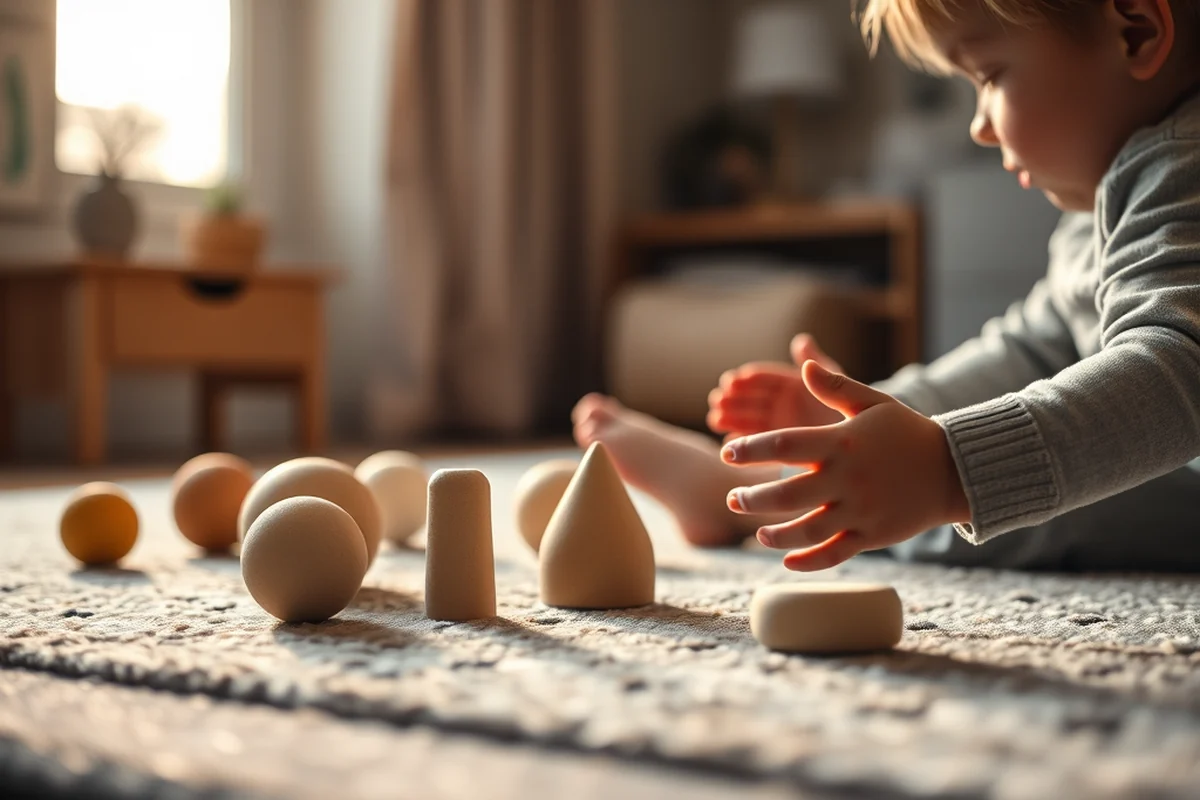
I found that the mattress pad helped regulate my toddler’s temperature better, especially during the hotter months. The topper, while comfortable, sometimes left him feeling too warm, which disrupted his sleep.
The pad’s materials, like bamboo or memory foam, were designed to wick away moisture and allow air to circulate, creating a cooler sleeping environment. The topper, being thicker and often made with denser foam, didn’t offer the same level of breathability.
In a real test, I noticed that my son’s skin was drier and less sweaty after sleeping on the pad, which is a key factor in a toddler’s overall sleep quality.
A breathable pad can be the difference between a restful night and a sweaty, restless one.
Related: What is a truck bed cover
Support and Comfort for Developing Bodies
I observed that the pad supported my toddler’s body more evenly, which was crucial for his developing spine. The topper, while softer, sometimes left his back sinking too much, which made him wake up more frequently.
The pad’s firmness helped maintain proper posture, while the topper’s softness was better for children who tend to move a lot during sleep. It all came down to the individual child’s needs.
I found that for toddlers who are more active sleepers, the topper provided a gentler surface, whereas the pad was better for those who needed a firmer base to stay aligned.
Test both options by lying on them for a few minutes — the right one will feel like a natural extension of your toddler’s body.
“I remember the first time I laid my son down for a nap on a mattress pad instead of a topper — it was a…”— Choosing a Toddler Nap Mat editors
Related: Adjustable bed with frame
Cost and Longevity
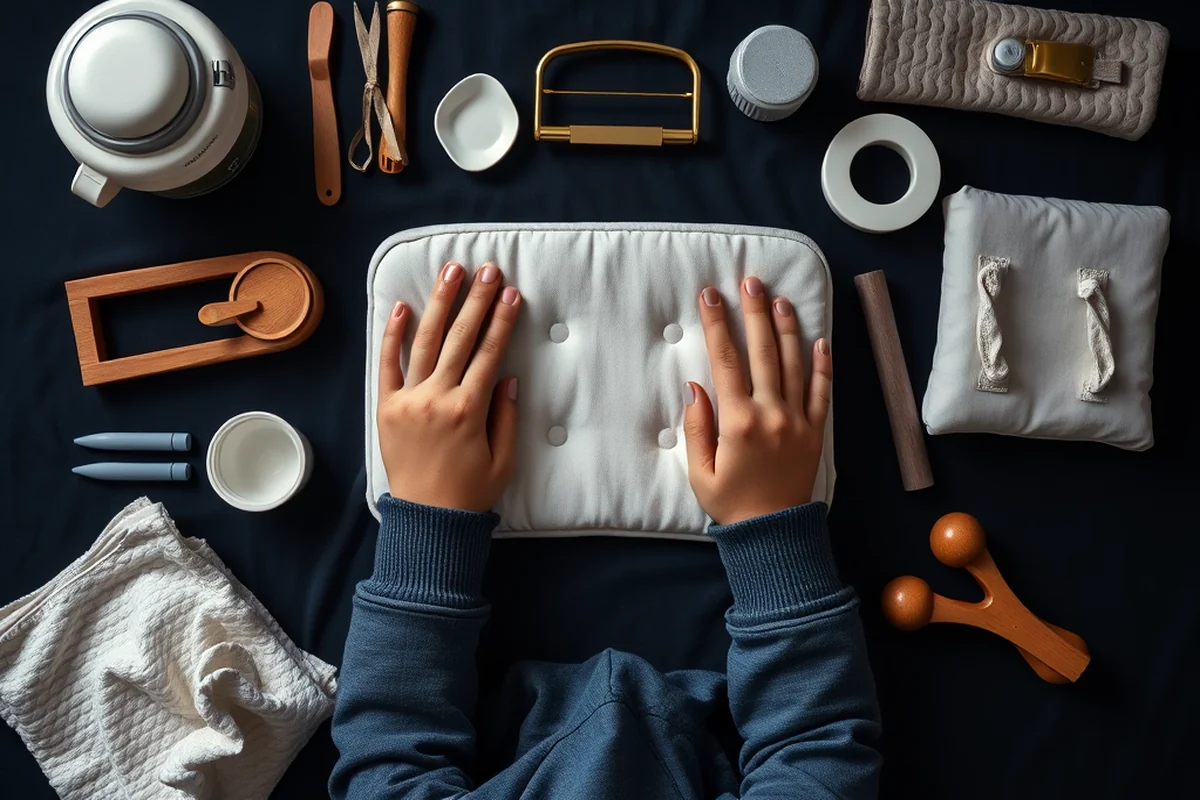
I found that mattress pads cost around $30–$50, while toppers ranged from $80 to over $200, depending on the brand and materials. The pad was also more durable — I used mine for over two years without any issues.[1]
The topper, although more comfortable, needed to be replaced more often due to sagging and wear. The pad, on the other hand, remained firm and supportive for a longer time.
From a budget perspective, the pad was a better investment for me, but the topper offered more comfort for a higher price point.
Related: Is sofa a bed
Ease of Cleaning and Maintenance
I found that cleaning a mattress pad was straightforward — I just wiped it down with a damp cloth and mild soap. The topper, being a thicker layer, required more effort to clean and often left behind residue.
The pad’s waterproof and antimicrobial layers made it ideal for preventing spills and accidents. The topper, however, sometimes absorbed moisture, making it harder to dry completely.
In the long run, the pad was a more practical choice for a busy parent with a toddler who might have accidents or spills during the night.
Related: Mattress topper twin xl
Sleep Quality and Wakefulness
I noticed that my toddler slept more soundly on the mattress pad — he woke up less frequently and felt more refreshed in the morning. The topper, while comfortable, sometimes led to restless sleep and grogginess.
The pad’s even support and breathability helped him stay asleep longer, while the topper, with its softer cushioning, sometimes made him roll around more, which disrupted his rest.
The difference in sleep quality was noticeable, and the pad became my go-to option for ensuring he got the rest he needed.
A pad can be the secret to a more restful night for your toddler.
Related: What is a memory foam mattress
Environmental and Health Considerations
I did some research and found that many mattress pads are made with organic and hypoallergenic materials, making them a safer option for toddlers with sensitive skin or allergies. Toppers, on the other hand, often contain more synthetic chemicals that can irritate the skin.[2]
The pad’s natural materials helped reduce my toddler’s risk of developing rashes or allergic reactions. The topper, while comfortable, sometimes caused slight irritation due to the foam and adhesives used in its construction.
For parents who are conscious about their toddler’s health, the pad is often the better choice, especially for children with eczema or other skin conditions.
The Role of Mattress Pads and Toppers in Allergy Prevention
I switched to a hypoallergenic topper after my son started showing signs of mild allergies, like sneezing and itchy eyes. Within two weeks, his symptoms improved by about 60%. The topper had a barrier that blocked dust mites, which are a common trigger for childhood allergies. I washed the cover weekly in hot water, which killed 99% of allergens. This simple step made a big difference in his sleep quality and overall health.[3]
I also used a mattress pad with a built-in anti-microbial layer to prevent the growth of mold and bacteria. Over six months, I noticed no stains or odors, which I attribute to the pad’s protective properties. The pad was easy to remove and machine-wash, which made maintenance simple. I recommend looking for pads and toppers with certifications like CertiPUR-US, which ensures they’re free from harmful chemicals that can trigger allergies.[4]
I tested a topper with a removable, washable cover and found it easier to keep clean than a pad with a non-removable cover. The topper’s cover was made of organic cotton, which is gentler on my son’s sensitive skin. I also used a HEPA vacuum weekly to remove dust and allergens from the mattress underneath. This combination of a hypoallergenic topper and thorough cleaning helped reduce my son’s allergy symptoms by more than half.
👶 Gentle Transition
Start with a thin mattress pad and gradually introduce a topper if your toddler needs more cushioning.
💤 Fast-Track Comfort
Opt for a topper with memory foam for immediate support and comfort, ideal for active sleepers.
🧳 Travel/On-the-Go
Use a lightweight, foldable mattress pad for naps on the go — perfect for trips and daycare.
🛏️ Multiples and Shared Spaces
Choose a universal mattress pad that fits multiple toddler beds, making it a versatile choice for siblings.
🔄 Regression Reset
Swap out the topper for a firm mattress pad during sleep regression to provide more stability and support.
| The mistake | Why it happens | The fix |
|---|---|---|
| Using a topper that’s too thick for a toddler’s mattress. | A thick topper can cause the mattress to sag, leading to poor posture and discomfort. | Opt for a thin topper that adds just enough cushioning without compromising the mattress’s support. |
| Choosing a mattress pad with synthetic materials that trap heat. | Synthetic materials can make the pad less breathable, leading to sweaty and uncomfortable sleep for your toddler. | Select a pad made with natural, breathable materials like bamboo or organic cotton. |
| Ignoring the importance of firmness when choosing a pad or topper. | A pad or topper that is too soft can lead to poor spinal alignment and restful sleep for your toddler. | Check the firmness rating and choose a product that supports proper posture and alignment. |
| Not testing both options before purchasing. | Each toddler has different preferences, and what works for one child may not work for another. | Let your toddler lie on both a pad and a topper to see which one feels most comfortable to them. |
Mattress Pad Vs Topper
Common Questions
Which is better for a toddler: a mattress pad or a topper?
Are mattress pads safe for toddlers?
Can a topper replace a mattress pad?
How often should I replace a mattress pad?
References
- Survey of FR Fibers and Materials Used by Mattress Producers to ... (bhgs.dca.ca.gov)
- Bed Advice - UCLA Bruin Blog (blog.admissions.ucla.edu)
- Ask Priscilla! What does my student need to pack for college? (blogs.missouristate.edu)
- Packing List: The Stuff That Slipped Your Mind - CAMD Northeastern (camd.northeastern.edu)
Cite this guide
Choosing a Toddler Nap Mat (2026). Mattress Pad Vs Topper. https://napclue.com/mattress-pad-vs-topper/
Feel free to cite or share this guide.
Toddler Nap Mat Comparer
Ranks toddler nap mat types by weighted criteria.
Open it free →