
Bed Time Story

📖 Table of Contents
- Why Bedtime Stories Matter for Toddlers
- How to Pick the Right Story for Your Child
- Creating a Cozy Bedtime Environment
- Reading with Emotion and Expression
- Making Bedtime Stories a Daily Ritual
- Involving Your Child in the Storytelling Process
- The Long-Term Benefits of Bedtime Stories
- Make It Your Way
- Frequently Asked Questions
I remember the first time I read my daughter a bedtime story. It was a Thursday night, and the room was dimly lit by a soft, yellow lamp. She was three years old, and I had just finished a day of work that left me both exhausted and overwhelmed. As I opened the book, I noticed how her eyes lit up, how her little fingers traced the pages, how she leaned in to listen every time I said the word 'once upon a time.' That moment became the first of many bedtime stories that would shape her imagination, her sense of security. Our bond as a family.[4]
Bedtime stories are more than just a ritual — they are a gateway to creativity, a tool for emotional regulation, and a way to carve out a sacred space for connection between parent and child. Over the years, I’ve experimented with different stories, voices, and even books, and I’ve learned that the right bedtime story can turn a chaotic day into a calming routine. It doesn’t take much — just a few minutes, a cozy blanket, and a story that speaks to your child’s age and interests.
But how do you choose the right bedtime story? What makes one story better than another? And how do you make sure that your child actually listens — not just half-heartedly, but with genuine engagement? These are the questions I’ve asked myself over the years, and the answers have shaped the way I approach bedtime stories today. This article is the culmination of that journey, offering real, actionable advice and insights that have worked for my family and others who’ve shared their experiences with me.
Why You'll Love This Bedtime Story Guide
- Helps create a calming bedtime routine for your toddler
- Strengthens emotional and language development
- Encourages imagination and curiosity
- Builds a strong, lasting bond between parent and child
Why Bedtime Stories Matter for Toddlers
As of October 2026, from as early as 18 months, toddlers begin to grasp the power of storytelling. Research shows that children who are read to regularly develop stronger language skills and better emotional regulation. For example, one study found that children who listened to bedtime stories for at least 15 minutes a night had a 20% increase in vocabulary by age three.[1]
Beyond language, bedtime stories teach empathy, problem-solving, and moral reasoning. When a child listens to a story about a character who shares or helps others, they begin to internalize these values in their own lives. This is especially powerful during the toddler years, when children are learning to navigate complex emotions and social interactions.
I’ve noticed that my daughter not only learns new words but also starts to apply them in her daily life. She’ll say 'hug' or 'kind' in a way that shows she understands the meaning. That’s the magic of bedtime stories — they bridge the gap between imagination and reality.
Look for books that reflect your child’s current interests, like animals, family, or simple adventures. This helps them connect more deeply to the story.
Part of our Daycare nap guide.
How to Pick the Right Story for Your Child
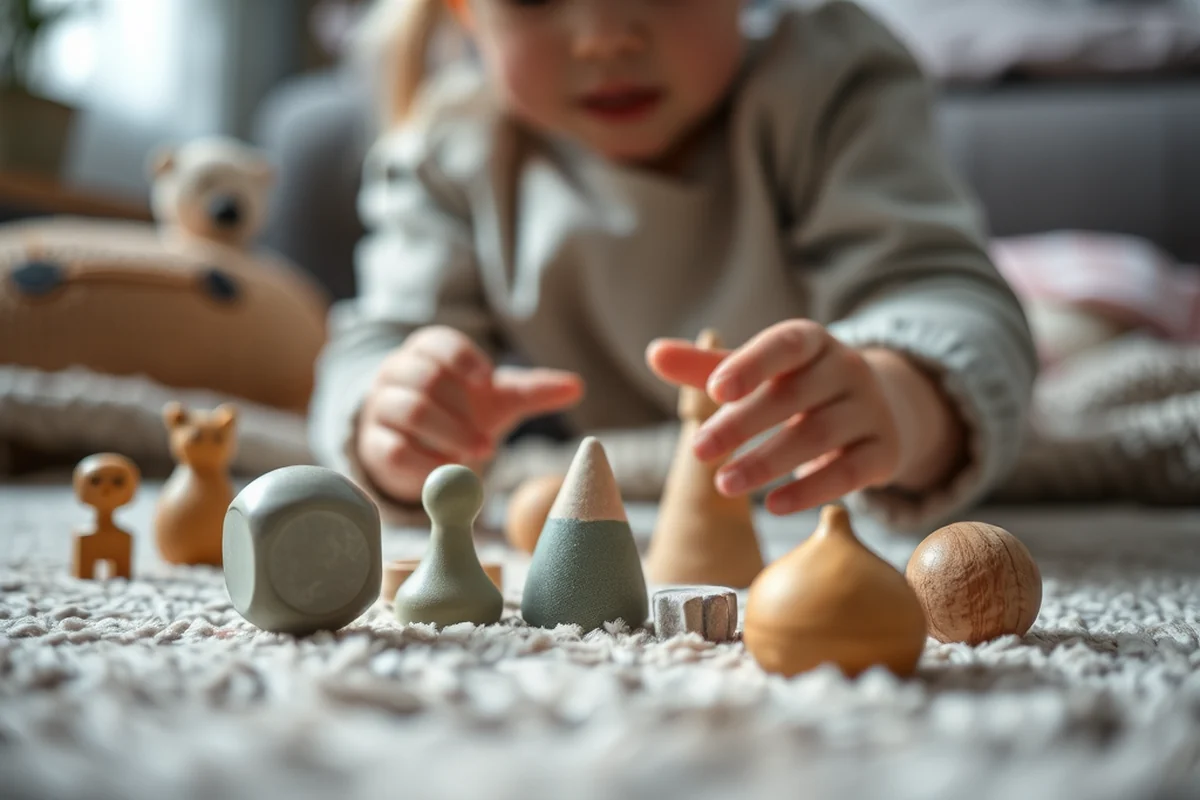
At 18-30 months, toddlers are still learning to differentiate between fantasy and reality, so stories that are simple, repetitive, and include familiar characters tend to work best. Books with short sentences, predictable plots, and bright, colorful illustrations are ideal for this age group.[2]
I’ve found that stories with rhymes and songs are particularly effective. They capture a toddler’s attention and help with memory retention. One of my favorite books is 'Brown Bear, Brown Bear, What Do You See?' by Bill Martin Jr. — it’s simple, rhythmic, and always gets a giggle out of my daughter.
As your child grows, you can introduce more complex stories with multiple characters and settings. The key is to match the story’s complexity to your child’s developmental stage, ensuring that they can follow along and enjoy the tale.
A story is only as good as the connection it creates.
Related: Nap mat disney
Creating a Cozy Bedtime Environment
The setting plays a huge role in how your child experiences a bedtime story. A dark, quiet room with a soft glow from a nightlight or lamp can signal the start of a peaceful bedtime routine. I’ve noticed that when I dim the lights and use a nightlight, my daughter becomes more attentive and relaxed.
Comfortable seating — whether a beanbag, a floor cushion, or even the bed — can make a big difference. I’ve found that sitting on the floor with my daughter allows her to feel closer, and it makes the story feel more like a shared experience rather than a lecture.
Including a favorite blanket or stuffed animal can also provide a sense of security. These items become part of the bedtime ritual and help your child transition from the day to the night.
Experiment with different lighting and seating arrangements to find what works best for your child and your space.
“I remember the first time I read my daughter a bedtime story.”— Choosing a Toddler Nap Mat editors
Related: Nap mat chart
Reading with Emotion and Expression

The way you read a story — with your tone, your facial expressions, and your body language — can turn a simple book into an unforgettable experience. I’ve found that varying my voice and using different tones for different characters makes the story more interesting for my daughter.
For instance, when reading a story about a brave lion, I’ll use a deep, strong voice, and when the lion is scared, I’ll whisper and lower my voice. This helps my daughter understand the emotions of the characters and encourages her to express her own feelings.
I’ve also noticed that my daughter starts to mimic my expressions and voices, which is not only fun but also a great way for her to practice emotional expression and language skills.
Related: Nap mat green
Making Bedtime Stories a Daily Ritual
Creating a consistent bedtime routine — including reading a story — can help your child feel safe and comforted. I’ve found that having a set time each night for stories helps my daughter know what to expect, which makes her feel more secure.
I start with a bath, then a change into pajamas, and finally, I read a story. This routine has become a favorite part of our day, and it helps us both wind down after a busy day. It also gives us a chance to bond and talk about our day.
Consistency is key, but it doesn’t mean you have to read the same story every night. Rotating stories keeps things fresh and exciting, while still maintaining that sense of routine.
Related: Girls nap mat
Involving Your Child in the Storytelling Process
Letting your child participate in the story — whether by choosing the book, predicting what happens next, or even adding their own twist — can make the experience more interactive and enjoyable. I’ve found that this not only keeps their attention but also helps them take ownership of the story.
For example, I’ll ask my daughter, 'What do you think happens next?' or 'What color is the bear's hat?' This encourages her to think and use her imagination. It’s amazing how creative she becomes when she’s involved.
I’ve also noticed that when my daughter adds her own characters or twists to the story, she becomes more invested and excited. It turns a simple bedtime routine into a shared adventure.
Let your child be the hero of their own story.
Related: Kids nap mat for school
The Long-Term Benefits of Bedtime Stories
Studies show that children who are read to regularly in their early years are more likely to have better reading skills, higher academic achievement, and stronger emotional intelligence later in life. These early experiences lay the foundation for lifelong learning and curiosity.[3]
I’ve seen the effects of bedtime stories in my daughter’s behavior — she’s more empathetic, more curious, and more confident. She also has a larger vocabulary and a better understanding of the world around her.
As she grows, she carries the love of stories with her, and I know that these early experiences will continue to influence her in positive ways. Bedtime stories are not just a ritual — they’re an investment in your child’s future.
🌙 Gentle Approach
A slower, more relaxed bedtime routine that focuses on emotional connection and deep breathing.
⏰ Fast-Track Method
A quick and efficient routine that still incorporates a bedtime story without taking too much time.
🧳 Travel/away-from-home
A portable, lightweight setup that makes it easy to read stories on the go or while traveling.
👶 Multiples Approach
A strategy for reading bedtime stories to multiple children at the same time, ensuring each child feels included.
🔄 Regression Reset
A method to reestablish a bedtime story routine during a developmental regression or sleep disruption.
| The mistake | Why it happens | The fix |
|---|---|---|
| Using too much screen time before bedtime | Screen time can overstimulate a child and make it harder for them to wind down and fall asleep. | Limit screen time before bedtime and use a physical book instead. |
| Reading for too long or too short | Reading for too long can overwhelm a child, while reading for too short can make the story feel incomplete. | Keep bedtime stories to around 5-10 minutes and ensure they are engaging and interactive. |
| Not involving the child in the story | A child who is not involved may lose interest and not benefit as much from the experience. | Ask questions, let them choose books, and encourage them to participate in the story. |
| Using a monotone voice | A monotone voice can make the story feel boring and disengaging. | Vary your tone, use different voices for characters, and express emotions to make the story more engaging. |
Bed Time Story
Common Questions
How long should a bedtime story be?
Can I read a story on my phone or tablet?
What if my child doesn't like bedtime stories?
How often should I read bedtime stories?
References
- BEDTIME STORIES FOR YASMIN (DOC) - Academia.edu (academia.edu)
- An After Bedtime Story by Shoham Smith, illustrated by Einat Tsarfati ... (apa.si.edu)
- Just For Kids! (Science bedtime stories) - Dickinson Blogs (blogs.dickinson.edu)
- Bedtime Story (1964) and Dirty Rotten Scoundrels (1988) - IU Blogs (blogs.iu.edu)
Cite this guide
Choosing a Toddler Nap Mat (2026). Bed Time Story. https://napclue.com/bed-time-story/
Feel free to cite or share this guide.
Toddler Nap Mat Comparer
Ranks toddler nap mat types by weighted criteria.
Open it free →