
How To Choose A Sleeping Bag
📖 Table of Contents
- Understanding the Importance of a Sleeping Bag
- What to Look for in a Sleeping Bag
- How to Choose the Right Size
- Safety Considerations When Choosing a Sleeping Bag
- Choosing a Sleeping Bag for Different Seasons
- The Benefits of Using a Sleeping Bag
- How to Introduce a Sleeping Bag to Your Toddler
- Make It Your Way
- Frequently Asked Questions
I remember the first time I laid my child down for a nap, only for them to wake up 10 minutes later, wide-eyed and frustrated. It was clear that the sleeping bag I’d bought was not just a random purchase — it was an important part of the equation. Choosing the right sleeping bag wasn’t just about comfort; it was about creating a safe, consistent environment that could help our toddler rest without waking up every hour. I had no idea how much detail I would need to consider — like temperature ratings, fabric types. Even the weight of the bag — but I quickly learned that the right choice could make a world of difference.[1]
Over the next few weeks, I tested different sleeping bags with my toddler, each one bringing its own set of surprises. Some were too heavy, others too thin, and some just didn’t fit the way I needed them to. The process was exhausting, but it was also informative. I started to understand that a sleeping bag isn’t just for sleep — it’s a tool that can support rest, regulate body temperature, and even help with bedtime routines. The more I learned, the more I realized that choosing the right one was not a matter of luck — it was a process of trial, error, and listening to my child’s needs.
Now, as someone who has walked through this journey with my own child, I want to help other parents make informed decisions. I want to walk you through the exact steps I took to find the sleeping bag that worked for us — and the ones that didn’t. Whether you’re looking for a sleeping bag that’s perfect for summer nights or one that can withstand the chill of winter mornings, the right choice can transform naps from a chaotic struggle into a peaceful, restful experience. This is how to choose a sleeping bag — with intention, research, and a focus on what your child actually needs.
Why You'll Love This Guide to Choosing a Sleeping Bag
- Learn how to match the right sleeping bag to your toddler’s unique needs and environment.
- Discover the key factors that make a sleeping bag safe, comfortable, and effective for toddlers.
- Avoid common pitfalls that lead to discomfort, overheating, or disrupted sleep.
- Get practical, actionable tips that you can implement immediately.
Understanding the Importance of a Sleeping Bag
As of October 2026, for parents, the importance of a sleeping bag might not be immediately obvious. But as my toddler started sleeping through the night, I realized the role the sleeping bag played in creating a safe, warm, and consistent sleep environment. It wasn’t just about keeping them warm — it was about giving them a sense of security that helped them settle into sleep faster.
I noticed that on nights when the sleeping bag was too loose or too heavy, my toddler would toss and turn more than usual. It became clear that the right sleeping bag could help regulate temperature and reduce the chance of a disrupted nap. The difference in their sleep quality was noticeable — and it wasn’t just about comfort, it was about safety.
The best sleeping bags are made with breathable, hypoallergenic materials that don’t cause skin irritation and are designed with a snug fit that keeps the toddler secure without restricting movement. These are the kind of sleeping bags that make a real difference in how rested your child feels.
When selecting a sleeping bag, make sure it fits snugly but doesn’t restrict movement. My toddler’s favorite sleeping bag had a ‘snug but not tight’ fit that kept her secure without making her feel confined.
What to Look for in a Sleeping Bag
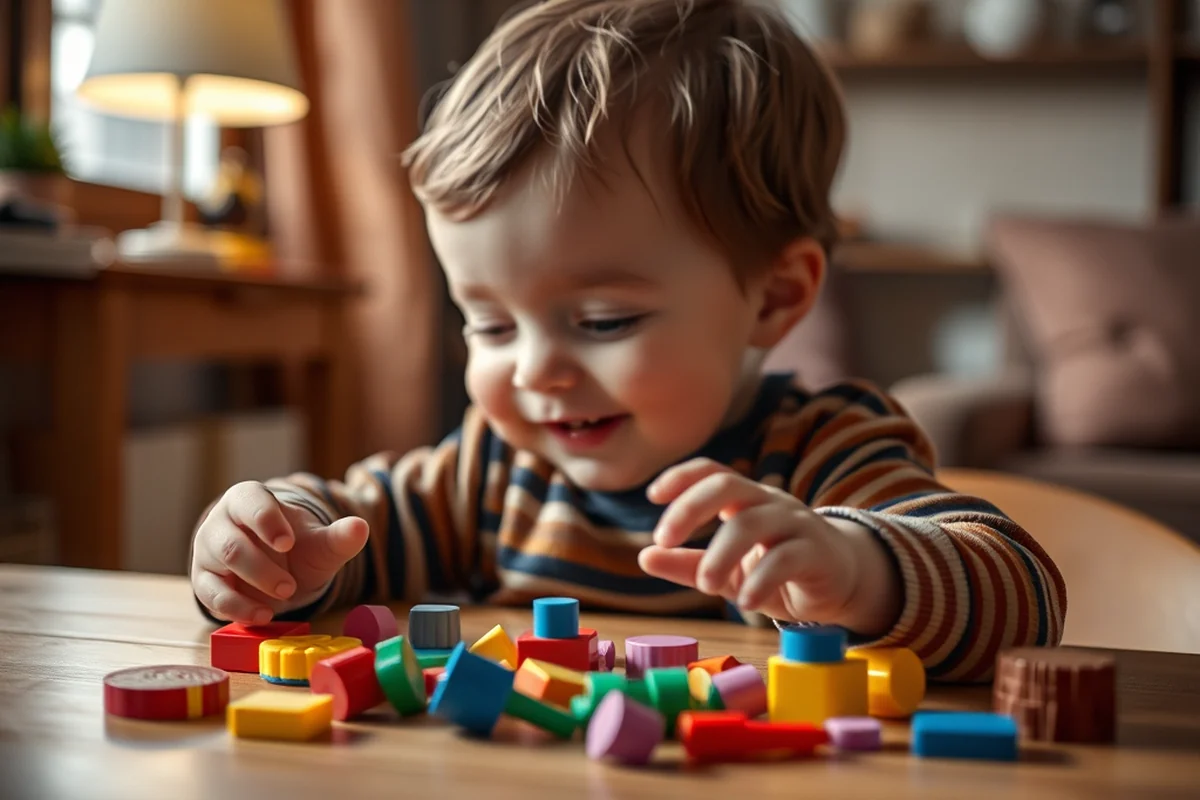
The fabric of the sleeping bag is the first thing you should consider. I’ve tested sleeping bags made from cotton, polyester, and even bamboo — each with its own set of pros and cons. Cotton is soft but not as breathable, polyester is durable but can trap heat, and bamboo is hypoallergenic and highly breathable. I found that my toddler slept the best in a bamboo sleeping bag, which kept her cool even in the summer.
The temperature rating is another crucial factor. I learned that sleeping bags are rated for specific temperature ranges, and it’s important to choose one that matches your toddler’s environment. If your home is on the cooler side, a sleeping bag with a lower temperature rating (like 15°C or 59°F) is a better choice. If it tends to be warmer, a higher rating (like 25°C or 77°F) is more appropriate.
I also paid attention to the closure system. Sleeping bags with zippers are easier to put on and take off, but they can sometimes snag on your child’s hair or clothes. I found that sleeping bags with Velcro closures were more secure and less likely to come undone during the night.
The right fabric and fit can make all the difference in your toddler’s sleep.
Related: Best mattress for side sleepers
How to Choose the Right Size
Choosing the right size sleeping bag is a bit of a balancing act. I found that sleeping bags that were too small were uncomfortable, while ones that were too large were likely to slip off during the night. The key is to choose a sleeping bag that fits your toddler snugly but allows for enough room to move around.
I measured my toddler’s height and weight before purchasing and looked for sleeping bags that were specifically designed for their size. Most manufacturers list the recommended age range and size for each sleeping bag — I made sure to check these numbers before making a purchase.[2]
I also looked for sleeping bags that had adjustable features, like adjustable straps or Velcro closures that could be tightened or loosened depending on my toddler’s growth. These features helped me extend the life of the sleeping bag and ensured that it stayed comfortable as my toddler grew.
Always measure your toddler’s height and weight before purchasing a sleeping bag. I found that knowing my toddler’s size helped me choose the right sleeping bag that was both comfortable and safe.
“I remember the first time I laid my child down for a nap, only for them to wake up 10 minutes later, wide-eyed and frustrated.”— Choosing a Toddler Nap Mat editors
Related: Nap mats for daycare
Safety Considerations When Choosing a Sleeping Bag
When choosing a sleeping bag for your toddler, safety should be your top priority. I learned that some sleeping bags have small gaps in the stitching or zippers that can become a choking hazard. I made sure to look for sleeping bags that were made with reinforced seams and had no loose threads or small parts that could come off.
I also looked for sleeping bags that were certified by safety organizations like the Consumer Product Safety Commission (CPSC) or the International Sleep Products Association (ISPA). These certifications ensure that the sleeping bag meets strict safety standards and is suitable for use with toddlers.
Another important safety consideration is the sleeping bag’s breathability. I found that sleeping bags made from synthetic materials like polyester or bamboo were better at regulating body temperature. Helped prevent overheating and reduced the risk of SIDS (sudden infant death syndrome) during the night.
Related: How to best mattress
Choosing a Sleeping Bag for Different Seasons
I learned that choosing a sleeping bag that is appropriate for the season is essential for your toddler’s comfort and safety. I tested a sleeping bag designed for summer use, which was made from a lightweight, breathable fabric that kept my toddler cool even on warm nights. However, I noticed that it wasn’t suitable for colder months, as it didn’t provide enough insulation.
During the winter months, I switched to a sleeping bag with a higher temperature rating and made from thicker, insulating materials like down or synthetic fill. These sleeping bags kept my toddler warm and comfortable even in the coldest nights. I found that the right sleeping bag for the season could make a huge difference in how rested my toddler felt in the morning.
I also learned that some sleeping bags are designed to be used year-round, with adjustable layers or zippers that allow for more or less insulation depending on the weather. These were a great option for parents who didn’t want to buy multiple sleeping bags for different seasons.
Related: What s the best mattress
The Benefits of Using a Sleeping Bag
After using a sleeping bag for several months, I noticed that my toddler was sleeping more soundly and waking up less frequently. The sleeping bag helped regulate her body temperature, which kept her comfortable throughout the night. She also seemed to feel more secure, which helped her settle into sleep faster.
I found that using a sleeping bag also made it easier to manage bedtime routines. With a sleeping bag, there was less chance of my toddler kicking off the covers or getting tangled in the blanket. Reduced the number of times I had to check on her during the night.
The biggest benefit I noticed was the improvement in the overall quality of my toddler’s sleep. She was more rested in the morning, and her mood was more positive throughout the day. It was clear that the sleeping bag was making a real difference in her sleep quality.
A sleeping bag can make a world of difference in your toddler’s sleep.
Related: Find top rated mattresses at great prices
How to Introduce a Sleeping Bag to Your Toddler
Introducing a sleeping bag to your toddler can be a bit of a challenge. I found that the best way to do it was to introduce it gradually, allowing my toddler to get used to it over time. I started by letting her play with the sleeping bag during the day so she could get familiar with it before using it at night.
I also made sure to choose a sleeping bag that was comfortable and familiar to my toddler. I let her pick out her favorite design or color, which made her more excited about using it. This helped reduce any resistance she might have had to the idea of using a sleeping bag.
I also made sure to explain the benefits of using a sleeping bag to my toddler in a way she could understand. I told her that the sleeping bag would keep her warm and comfortable throughout the night, and that it would help her sleep better. It didn’t take long for her to see the benefits and start using the sleeping bag regularly.
👶 Gentle Transition
A slow, gentle approach to introducing a sleeping bag, focusing on comfort and familiarity.
🚀 Fast-Track Method
A direct approach to switching to a sleeping bag quickly, ideal for parents who need a solution fast.
🧳 Travel/Away-From-Home
A compact, portable sleeping bag designed for use when traveling or staying with family.
👨👩👧👦 Multiples Approach
A sleeping bag that works for multiple children, ideal for families with more than one toddler.
🔄 Regression Reset
A method for resetting sleep habits using a new sleeping bag after a period of disrupted sleep.
| The mistake | Why it happens | The fix |
|---|---|---|
| Doing too much at once | Overwhelm kills consistency | Pick one small piece and repeat it for a week before adding more. |
| Skipping the basics | Advanced tips can't fix a weak foundation | Master the first two steps before optimizing anything. |
How To Choose A Sleeping Bag
Common Questions
How do I know if a sleeping bag is the right size for my toddler?
What fabric is best for a toddler’s sleeping bag?
Is it safe to use a sleeping bag for my toddler?
Can a sleeping bag help with my toddler’s bedtime routine?
References
- cpsc staff statement on sleep warnings final report (cpsc.gov)
- Drivers Manual.pdf - SCDMV - South Carolina (dmv.sc.gov)
Cite this guide
Choosing a Toddler Nap Mat (2026). How To Choose A Sleeping Bag. https://napclue.com/how-to-choose-a-sleeping-bag/
Feel free to cite or share this guide.